How does screen magnification software work?
amber2024-12-09T11:28:08-05:00“Screen Magnification”, and its related features are used to provide a range of solutions to help individuals with low vision access information.


“Screen Magnification”, and its related features are used to provide a range of solutions to help individuals with low vision access information.

A focus on accessibility is important, but a focus on sustainability is the key to true success.
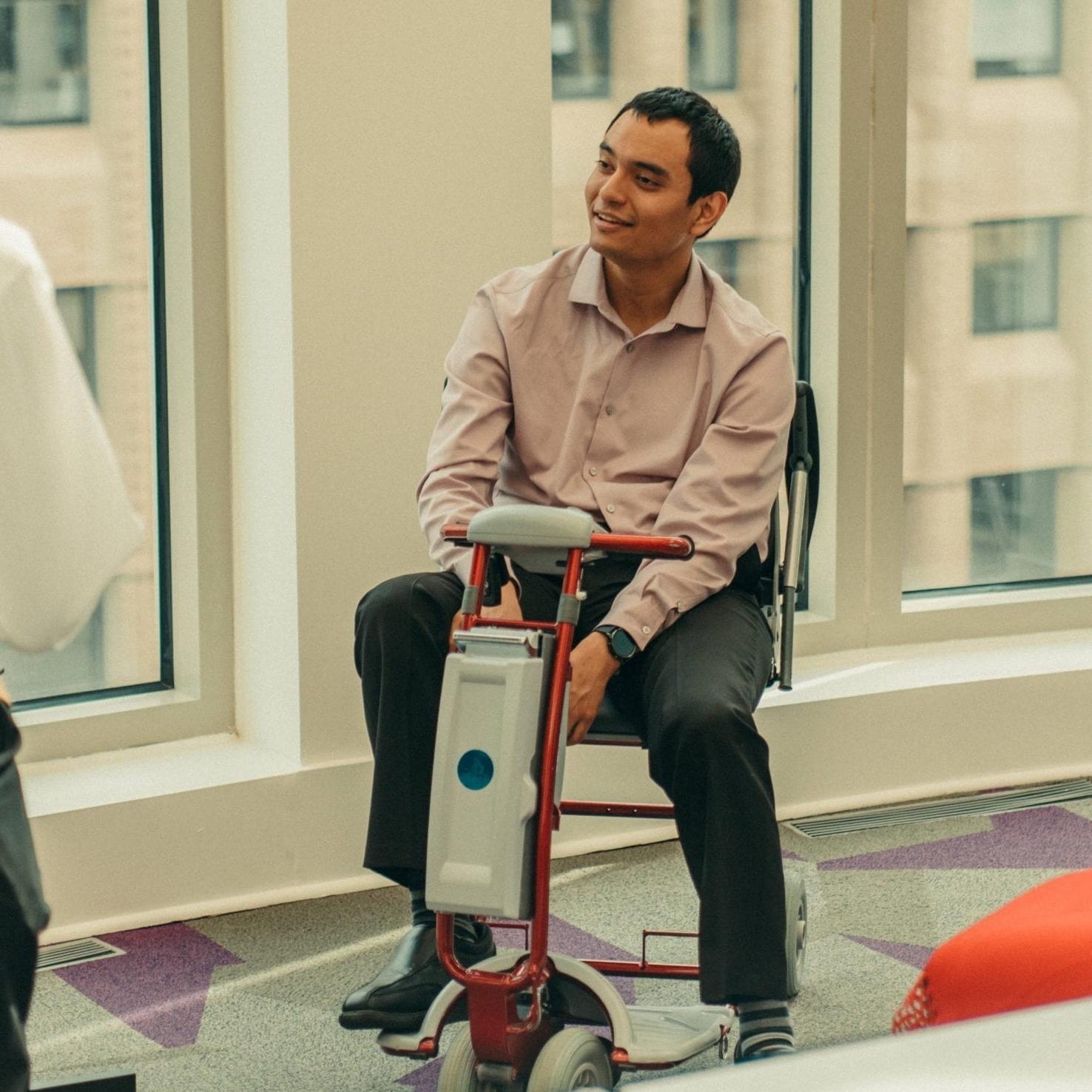
Disability is a sensitive topic. Fear of saying something wrong prevents people from having conversations about disability.

Every person who lives with cognitive challenges may experience them to different degrees, and be affected in different ways. Here are some tips that are helpful to everyone.

Speech synthesizers are computer systems used to imitate speech, reading out text input in a simulated voice. Finding a speech synthesizer that works for you can take time and research.

Fair pay for testers matters, for many reasons. If you’re considering seeking out volunteer accessibility testers, here are some reasons to help you reconsider.
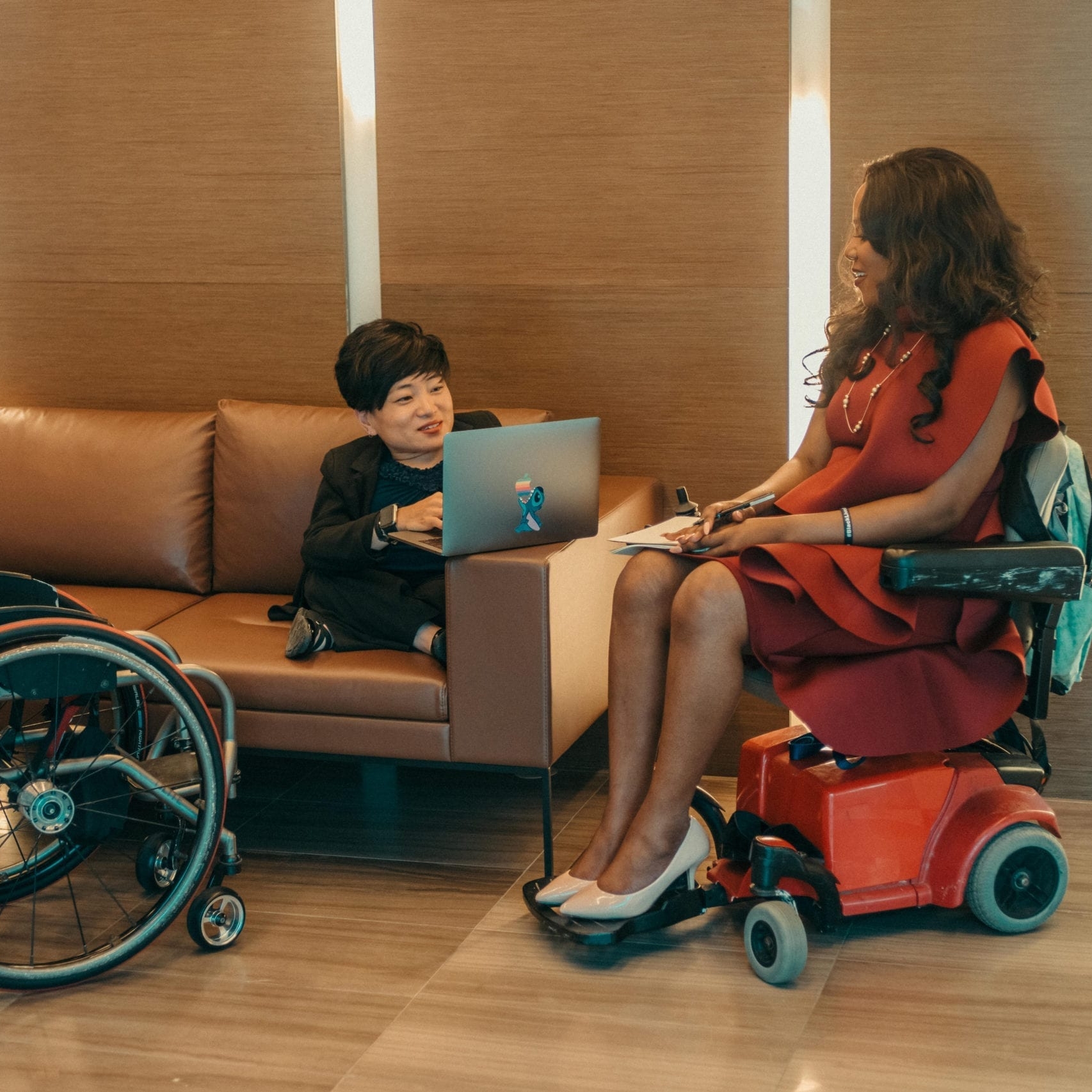
Physical disabilities include any limitations of muscular control, any pain that has an impact on movement, missing limbs, and others. In some cases, physical disabilities can even be temporary. Those who have physical challenges may use a wide variety of tools to help them access websites and apps.

While often discussed as a single group, there are many differences that exist for people with visual challenges. A users level of vision, as well as their personal preferences, will contribute to the type of assistive technology they use - a screen reader, screen magnification software, or both.

When creating a Compatibility Test on Fable, the type of feedback you get can often depend on the type of instructions you give in your task flow. Here are some tips to help you get exactly the kind of feedback you’re looking for.

Just because you meet one disabled person who isn’t comfortable doing a particular thing, doesn’t mean that everyone else with that same disability is also uncomfortable with it. When in doubt, just ask. We know what we’re good at, what skills we have, and what we struggle with – just like anyone else.